
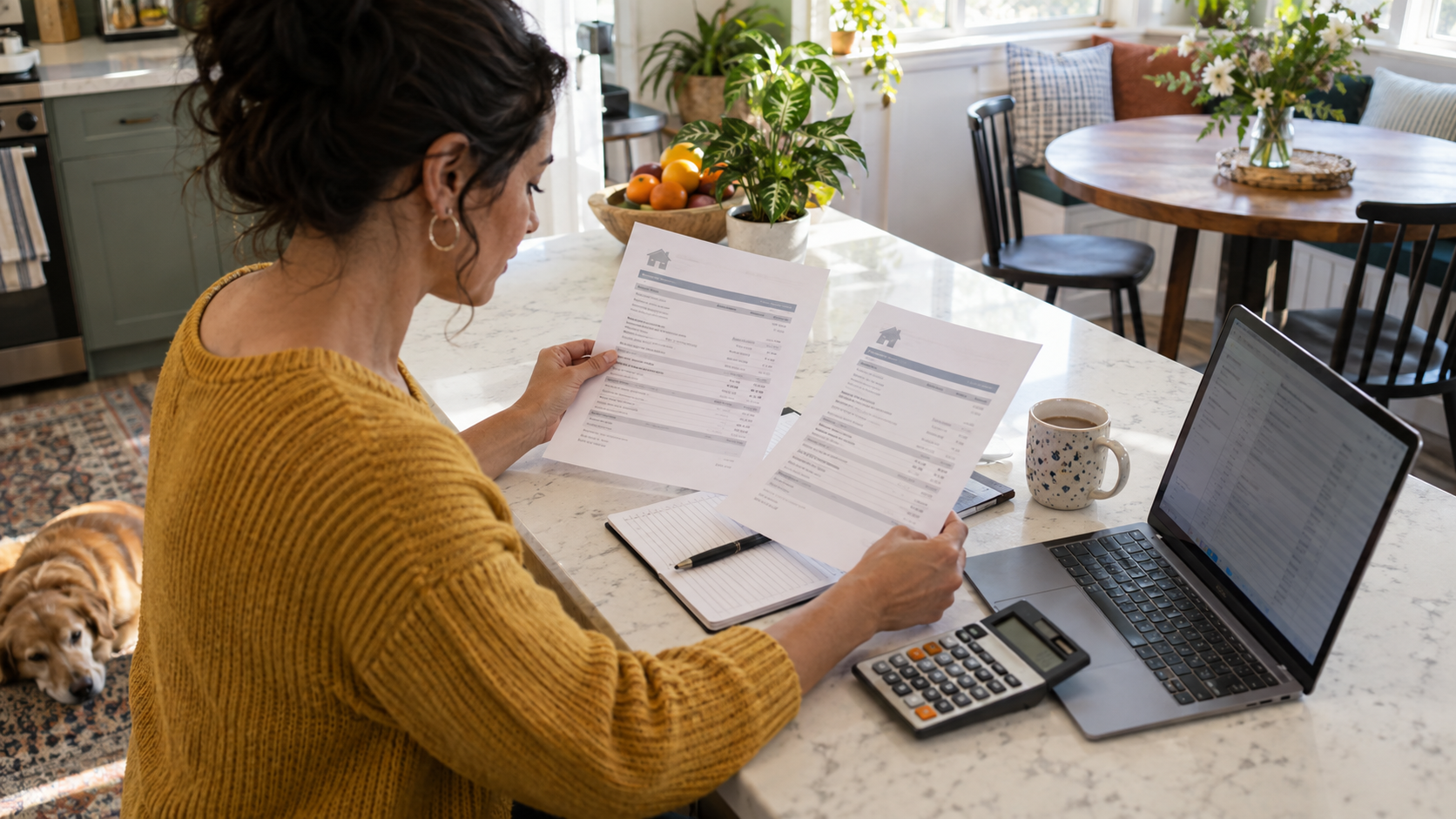
A changed property-tax figure at closing is not automatically an error or a new fee. Identify whether it is a tax payment, a proration between the parties, or a lender-related entry, then compare the source and calculation.
A hypothetical seller receives an early estimate of proceeds and a later closing statement with a different tax adjustment. The seller assumes the title company added a new fee. Before anyone decides the statement is wrong, the team needs to identify what changed.
A tax payment, a closing proration, and an estimate of a future amount are different entries. They should be explained differently.
Ask what the line represents
Request the description of the item, the period it covers, the source used, and whether it is an estimate or a confirmed amount. Ask how it relates to the actual contract. Do not assume a prior year's figure is the amount that must apply to the current transaction.
The Texas Comptroller's property-tax guidance explains the billing process and the information a tax bill must contain. A question about an actual tax account may need information from the relevant tax office, not a guess based on an online property listing. Texas Comptroller tax-bill guidance
Compare versions instead of comparing totals alone
Have the closing team identify the changed inputs and their effect on the statement. The change might concern the underlying information, the applicable period, or another transaction-specific detail. Ask for an explanation of the actual file rather than a generic reassurance that the software calculated it.
For a financed buyer, compare the relevant closing figures with the lender's documents and ask the lender about loan-related amounts. The CFPB's Closing Disclosure explainer helps consumers locate and review costs, but it does not determine every seller's contractual tax allocation. CFPB Closing Disclosure guide
Understand what remains after closing
Ask whether the contract or closing documents provide for any later adjustment and who should handle that question. Do not assume that every estimate will be automatically reconciled or that every later bill belongs to one party. Those conclusions depend on the agreement and applicable law.
Keep the final statement and the explanation of any estimate with your transaction records. If a later question arises, those documents will be more useful than remembering a single projected proceeds figure.
A tax bill, a proration, and a lender escrow are different
An actual tax payment concerns an amount payable to a taxing authority. A closing proration concerns an allocation between the parties under their agreement. A lender's escrow-related entry concerns the mortgage account and its requirements. These items may appear in the same closing discussion, but one number should not be used to explain all of them.
Ask which category the disputed line falls into. That helps identify who can explain it and which source should be checked. A lender should address its escrow requirements; the closing team can explain the calculation it prepared; legal questions about the parties' agreement may need counsel.
How should a changed estimate be explained?
Suppose an early worksheet used one tax figure and a later statement uses updated information. Ask for a comparison showing the previous input, the new input, and the resulting adjustment. Also ask whether the underlying allocation method changed. Looking only at the final proceeds total can hide which part of the calculation moved.
If the difference comes from a corrected property reference or a different period, identify that specifically. Do not assume every increase reflects a tax-rate change. An explanation should tie to the actual source and calculation, not a general statement that taxes went up.
The Texas billing guidance cited earlier is a state-specific reference. Billing cycles and transaction practices should be checked for the property's jurisdiction. The broader habit remains the same: identify the source before drawing a conclusion from the total.
What if a tax bill arrives after the sale?
Keep the bill and compare its property, period, and account information with your closing records. Ask the appropriate office or adviser about the actual account and review the closing documents before assuming who must pay. Do not ignore a bill simply because you sold the property or pay it based solely on an informal recollection of the closing discussion.
If a later adjustment is contemplated by the agreement, ask how it should be requested and documented. The presence of an estimate on a statement does not establish that someone else will automatically perform that follow-up for you.
For a related question, read Last-minute contract amendments: What can change before closing.
You should understand the numbers before you sign.
Buying or selling a home? Talk with Sterling National Title about your upcoming closing and the questions you have about the figures. See how the closing conversation can help you understand the information behind the statement.
Speak with Sterling about your closingSchedule a 15-minute conversation. Tell us about the property, timeline, and issue you are working through.Sources and further reading
- Texas Comptroller: Property tax bills
- Consumer Financial Protection Bureau: Closing Disclosure explainer
General educational information, not legal, tax, or coverage advice. Requirements depend on the property, jurisdiction, transaction documents, and underwriting. State-specific examples are identified in the text. All scenarios are hypothetical.